About
Eat well. Age strong. Glad you’re here.
Why “flavor”
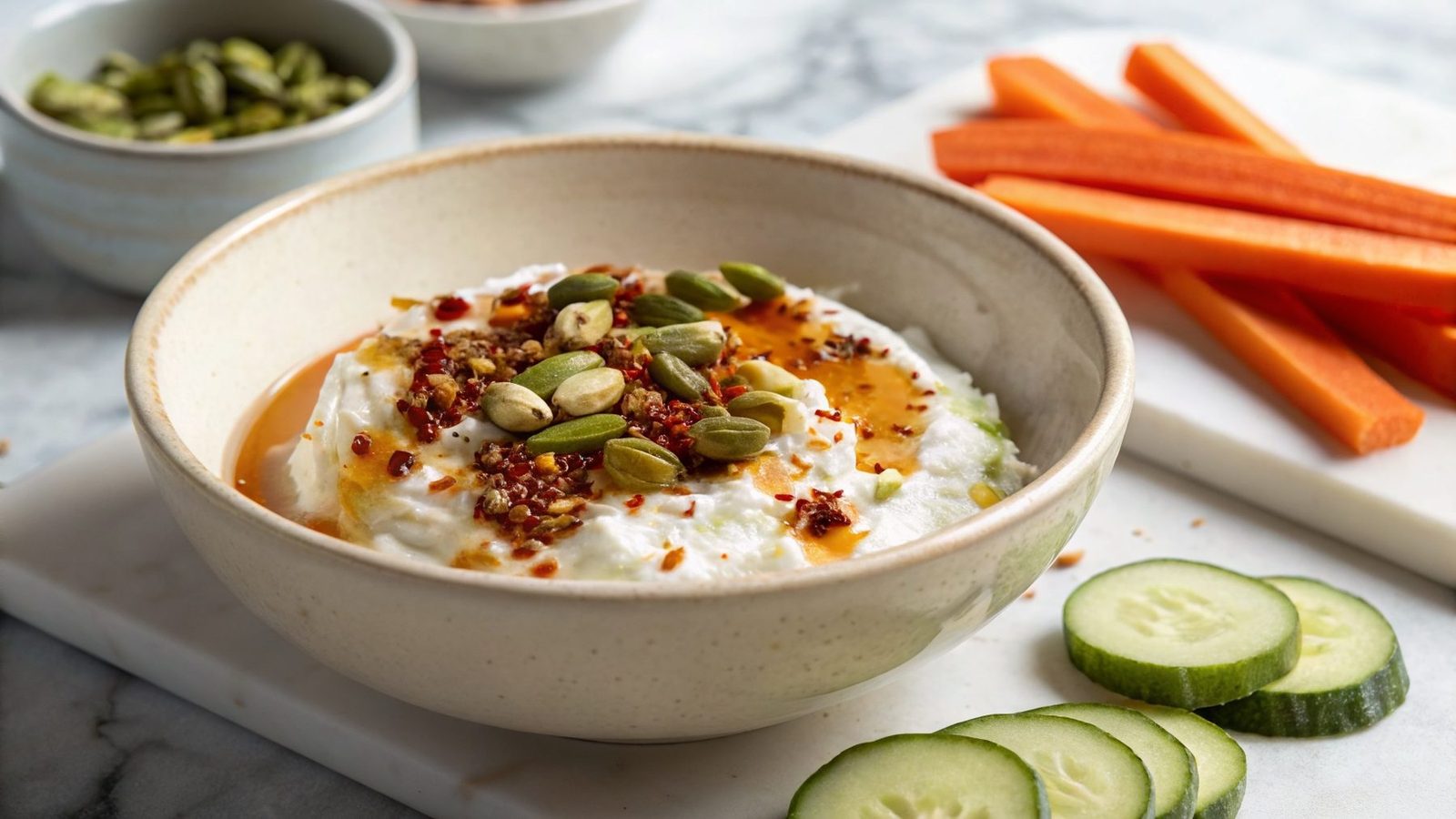
Then GLP-1 medications arrived and the questions changed again. Not “is it safe” or “how does it work,” which people can look up. The real question was dinner. What do I eat tonight that has enough protein in it, that I will actually cook, and that tastes like something I want to eat again tomorrow.
Age With Flavor is my answer to that. Flavor means both things here: what the food tastes like, and what a life tastes like when your body still does what you want it to do.

What I do here
Two things.
I take a piece of real health research and decode it. What it found, what it doesn’t prove, and the one small thing you can do with it. I cite the source every time, name the limits plainly, and never use fear to hold your attention. If a finding is preliminary I’ll say so. If the effect is small, I’ll say that too. I’m not a doctor, and none of it replaces one who knows your history.
And I put up recipes I’ve actually cooked, with the nutrition numbers attached, because “eat more protein” is advice and dinner is a decision.
One thing worth knowing about me, since it shapes what I write: I like technology and I like change. You can hate AI and I’d understand it, and I have complicated thoughts about it myself. In healthcare, I think it will save lives. Period. Full stop.
Who this is for
Women paying attention to their own health and their family’s, who want help cutting through the noise. The one reading on her phone between meetings. The one managing a parent’s appointments. Anyone who has googled a symptom at 11 pm and come away more confused than when she started.
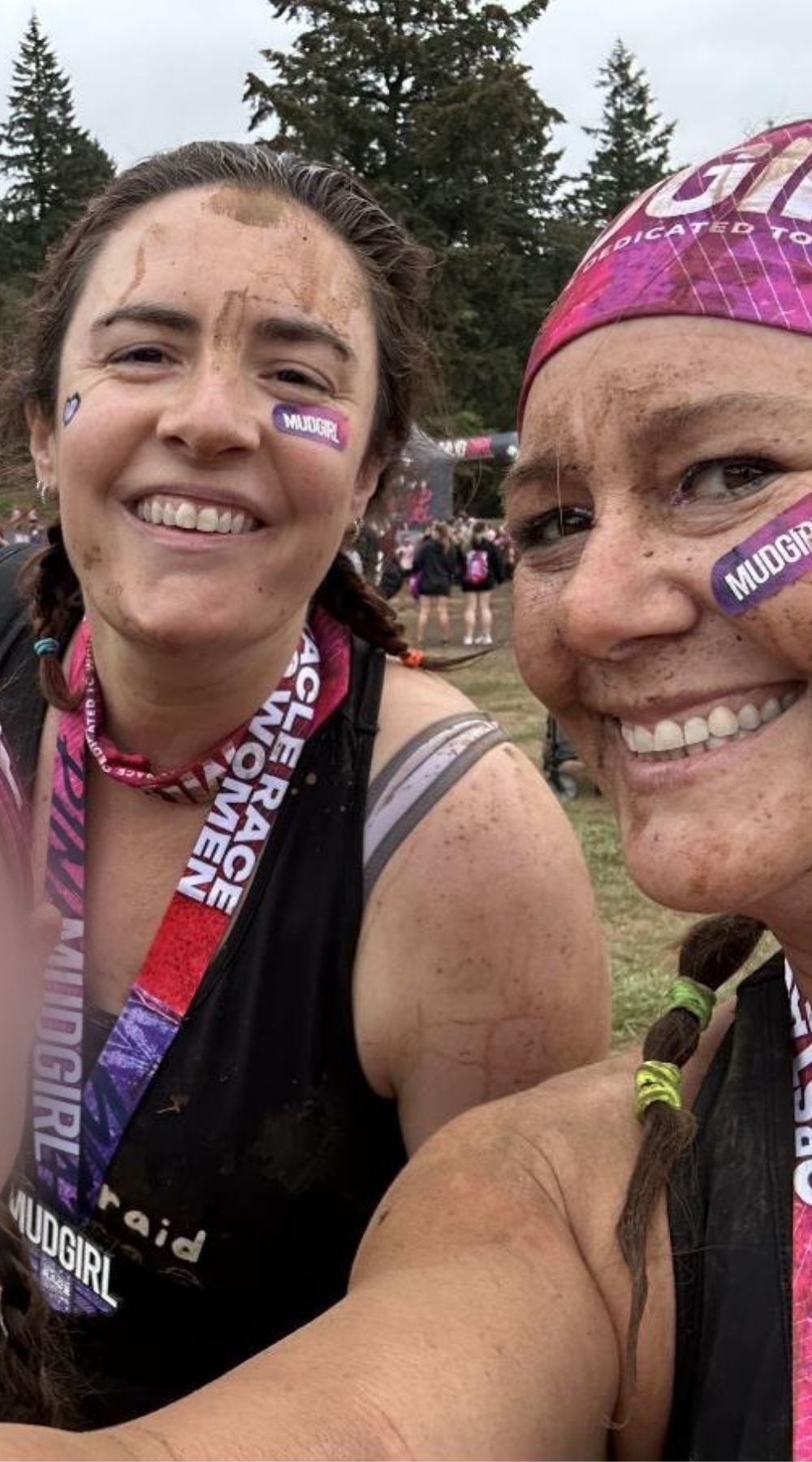
That’s me on the left. I am 42 there and had just finished my first ever Mud Girl run. It was muddy. I did it with my 11-year-old daughter and my cousin. I keep pushing myself to try new challenges that push my boundaries. I am not big on being dirty, so that pushed that boundary as well as the physical one.
Whether you are 38 or you are 58, building and maintaining your health is a priority, even if sometimes we let that slide. This is a great place to remind yourself that you matter.
You’re winning when you keep showing up for your own health. After a setback. Through a chronic illness. On the day you’d rather not. And taking a rest day when you need one.

Where this starts
My first job out of college was as a financial analyst at a casino. It came with a seat at the table. When leadership reviewed the forecast, it was my screen and my numbers on the wall. I wasn’t making the calls, but I was in the room where they got made.
One conversation from that room has stayed with me for twenty years. A man had died on the casino floor. The question an executive asked wasn’t whether he had family, or what had happened. It was, “Did he die a winner or a loser?” He wanted to know whether the house had made money off him.
I quit shortly after. I didn’t have another job. I just knew I couldn’t spend my intelligence, or my life, making a business better at seeing people as dollar signs.

Leaping without a net
I asked my uncle for a $4,000 loan and moved to San Francisco with no job and no apartment. A guy I’d met wanted to make the move too, so we crashed at his dad’s place for a few weeks. I found work before I found somewhere to live. From what I hear, that part of San Francisco hasn’t changed.
In 2007 I joined a barely-there health website called Healthline. It was on a Series D, still trying to work out revenue, sitting on a thousand articles written at a doctor’s reading level and published for ordinary people. Almost nobody was reading them.
I could see what it might become. Back then every search ended in a possible cancer diagnosis, and Dr. Google turned normal worry into panic. What people actually wanted was allyship, not clickbait. Somewhere safe to learn about their own body, so they could walk into an appointment informed instead of taking whatever they were handed.
I spent a decade there running media operations and analytics. The audience grew because that was what we gave them.
Then I became chief operating officer of Primary.Health. We launched in 2020, in the thick of the pandemic, and went to work in California’s public schools. Abbott had shipped boxes of free BinaxNOW test kits that were sitting unused in government buildings because nobody had a way to actually deploy them. We built that part. A distribution network, people on the ground, HIPAA-compliant software, and the connective tissue between schools, parents, and the state’s database, because daily real information about kids’ health was what would get them back into classrooms safely.
I’m still proud of the rest of it. The free clinics we stood up with the state of Michigan, where anyone could walk in for a small blood panel, a weight, a blood pressure check. Same idea every time. Give people real information about their own health early, before it turns into a crisis.
The part that got personal
In 2012, my father was diagnosed with diabetes.
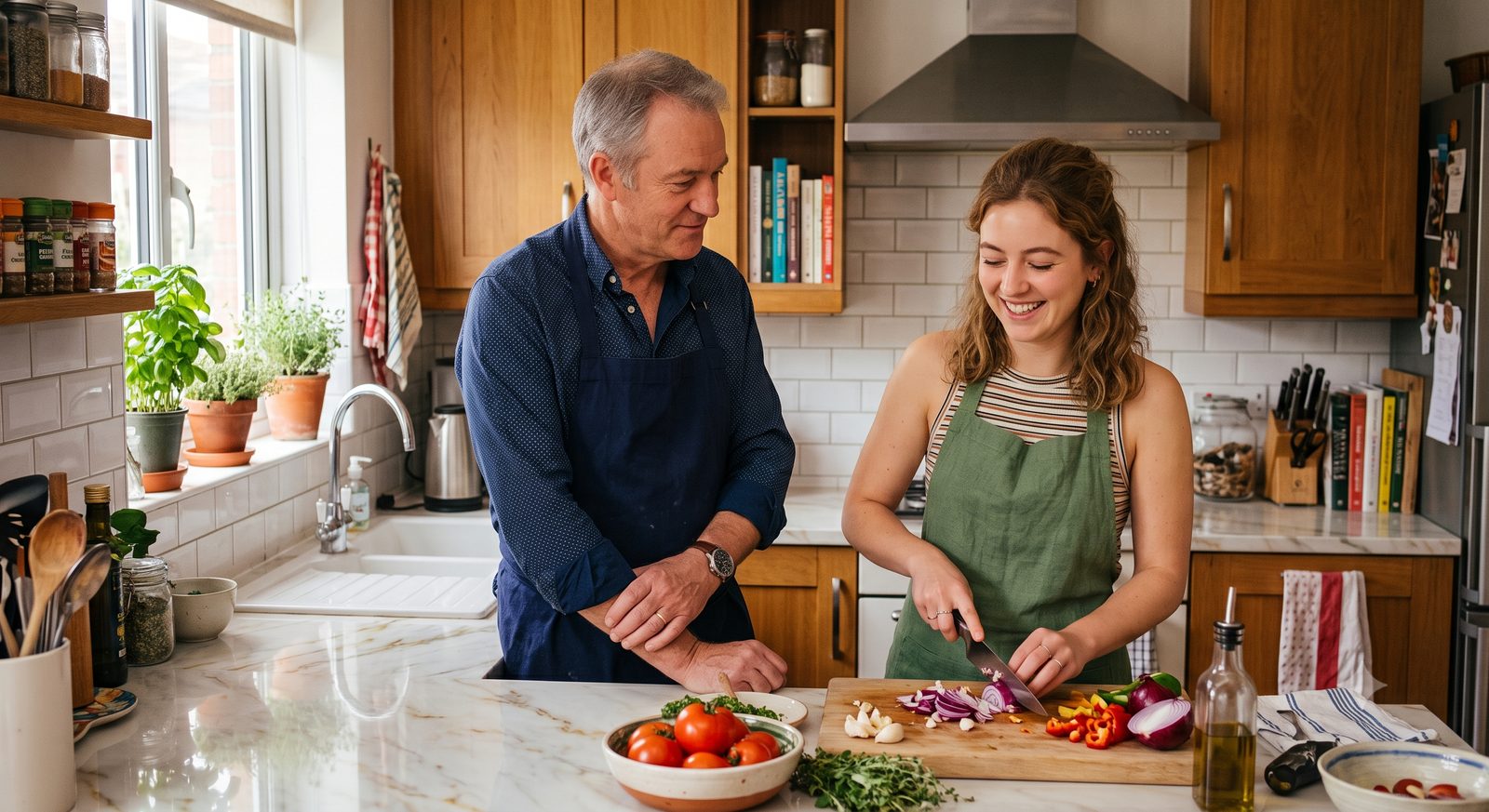
I had been writing about health for other people’s families for years by then. Now it was a question about mine, and it wasn’t an abstract one. It was about dinner.
He was afraid of needles. He could not inject himself, so the insulin had to be kept as low as it could safely go, and the rest of it had to be managed with food. Suddenly what he ate mattered. He had never thought about it in his life. He had never been on a diet. He was active, so his weight had never worried him, and nobody had ever asked him to look at his plate.
That is roughly where the food part of this comes from. Whatever the research question is, some meaningful share of the answer is on the plate. Not all of it, and anyone who tells you food fixes everything is selling something. But it’s the piece you put your hands on three times a day.
The only scoreboard that counts
Remember that executive, the one who wanted to know whether a man died a winner or a loser? He meant one thing. Did the house come out ahead.
I’ve come to believe the scoreboard is a different one. You’re winning when you keep showing up for your own health, after a setback, through a chronic illness, on the day you’d rather not, and on the day you take the rest you need. Health is the foundation, and the longer you go the more obvious it becomes that it’s worth more than the number in your bank account. It’s what makes the rest of it possible. The work, the trips, the people you love, the years you get with them.
Eat well. Age strong.
Glad you’re here.