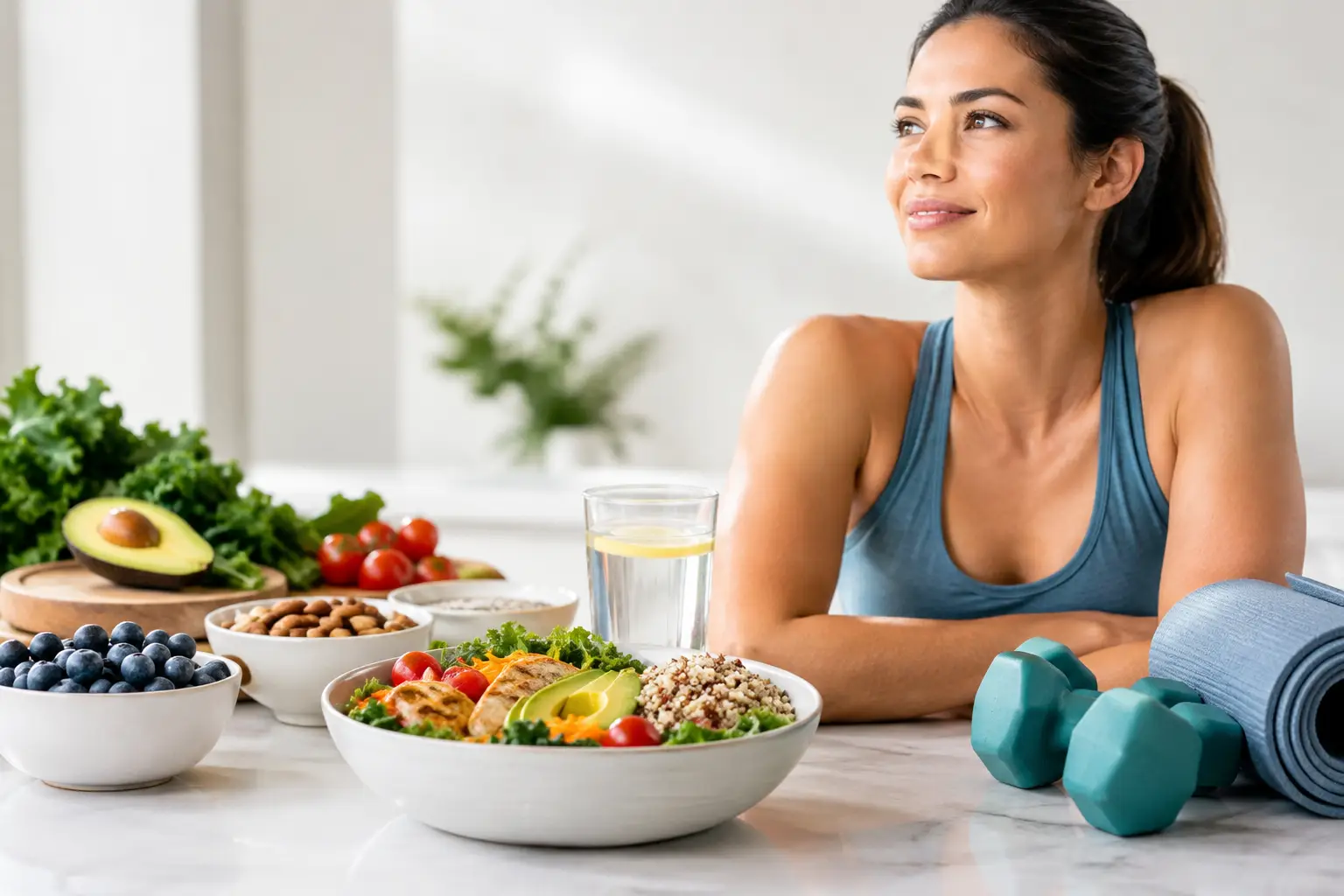
GLP-1 Nutrition for Strength and Steady Energy
A medication can make a smaller dinner feel perfectly sufficient. That does not mean your body suddenly needs less protein, fiber, fluid, or nourishment. GLP-1 nutrition is the practical skill of meeting those needs when hunger cues are quieter, meals are smaller, and some foods that once sounded good now feel like too much.
For women in midlife and beyond, this matters for more than the number on the scale. Adequate food supports muscle, bone health, energy, digestion, recovery, and the ability to keep doing the life you want to live. The goal is not to turn every bite into a math problem. It is to make the food you do eat count.
What GLP-1 medications change – and what they do not
GLP-1 medications, including drugs used for diabetes and weight management, commonly reduce appetite and slow how quickly food moves through the stomach. That can be helpful for some people, but it can also bring early fullness, nausea, constipation, reflux, or a general lack of interest in food.
What they do not change is your need for protein, vitamins, minerals, fluids, and enough total energy to function well. In fact, meeting those needs may take more intention when eating feels optional.
This is especially relevant during midlife, when muscle loss tends to speed up with age and after menopause. Weight loss can include muscle as well as fat. Medication is not a reason to fear food or force enormous meals. It is a reason to prioritize strength-supporting nutrition and resistance training rather than letting both slide.
Your prescriber and a registered dietitian can tailor guidance to your medical history, diabetes medications, kidney function, digestive conditions, and rate of weight loss. The ideas below are a solid everyday foundation, not a substitute for individualized medical care.
The GLP-1 nutrition priority: protein first
When appetite is limited, start meals with the food that gives you the most nutritional return. For most people on a GLP-1, that means protein.
Protein helps preserve lean mass while losing weight, supports recovery from exercise, and can make a small meal more sustaining. The exact amount you need depends on body size, activity, age, health conditions, and your clinician’s advice. Rather than chasing a perfect number, build a repeatable pattern: include a meaningful protein source at breakfast, lunch, dinner, and any snack that is standing in for a meal.
Think in familiar foods, not powders and complicated recipes. Eggs with cottage cheese, Greek yogurt with berries, a turkey and bean chili, tuna salad on whole-grain crackers, rotisserie chicken with a bagged salad, tofu stir-fry, lentil soup with shredded chicken, or salmon with microwaved potatoes all work. A protein shake can be useful on a nauseated or rushed day, but it does not have to become your whole food plan.
If a full plate feels impossible, separate your meal into stages. Eat the chicken, beans, yogurt, fish, or tofu first. Pause. Then have a few bites of vegetables or starch if you want them. This is not diet culture’s old rule of earning your carbs. It is simply sensible sequencing when capacity is small.
Spread protein across the day
Skipping breakfast and grazing through the afternoon may feel easy when hunger is low, but it can leave you trying to make up for it at dinner, when your stomach may be least interested. A modest protein-forward breakfast often makes the day easier.
Try a bowl of Greek yogurt, an egg-and-cheese breakfast taco, cottage cheese and fruit, or a smoothie with milk or soy milk and Greek yogurt. Keep options you genuinely like within reach. Consistency beats the breakfast that looks virtuous but stays untouched in the refrigerator.
Make fiber gentler, not optional
Fiber supports regularity, blood sugar management, heart health, and the gut microbiome. Yet suddenly loading up on bran cereal, raw kale, and giant salads when a GLP-1 has slowed digestion can make bloating and discomfort worse.
Start where you are and increase gradually. Cooked vegetables are often easier than large raw salads. Oatmeal, berries, beans, lentils, chia, pears, potatoes with the skin, and whole-grain toast can add fiber without requiring specialty products. Canned beans, rinsed and added to soup or tacos, are a weeknight shortcut worth using.
Fiber needs fluid to do its job. Sip water steadily through the day instead of trying to chug a large bottle with meals. Some people tolerate cold water poorly when nauseated and do better with tea, broth, sparkling water, or water flavored with lemon or cucumber. There is no prize for choosing the least pleasant option.
Constipation deserves attention early. A few days without a bowel movement, straining, hard stools, or worsening belly discomfort are signals to adjust fluids, food, movement, and possibly medication support with your clinician. Do not simply accept miserable digestion as the cost of treatment.
Build small meals that still feel like dinner
A tiny plate can look like deprivation, which is one reason people abandon their routines. The better move is to create a small, complete meal with flavor and contrast.
A useful formula is protein, a produce or fiber food, and a satisfying add-on. That might be a half turkey sandwich with tomato soup, salmon with roasted green beans and a lemony yogurt sauce, or black beans and chicken tucked into a small quesadilla with salsa. The add-on could be avocado, cheese, olive oil, a favorite dressing, nuts, or a warm tortilla. Fat can make meals more satisfying, though very rich or fried foods may worsen nausea for some people.
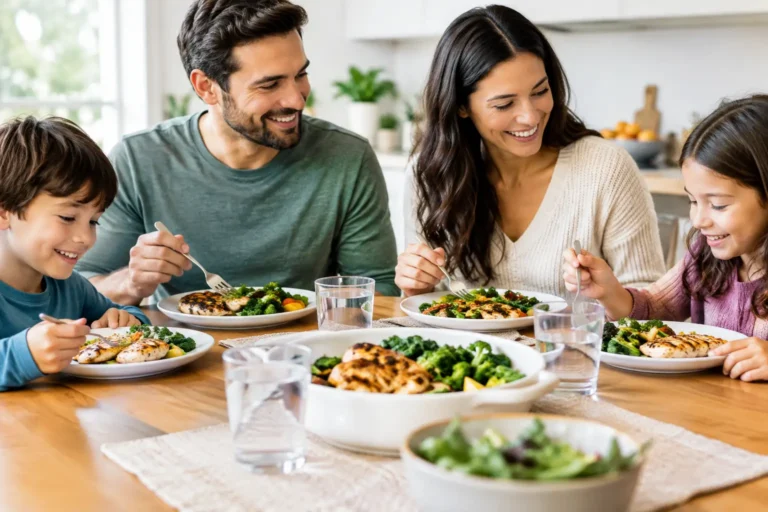
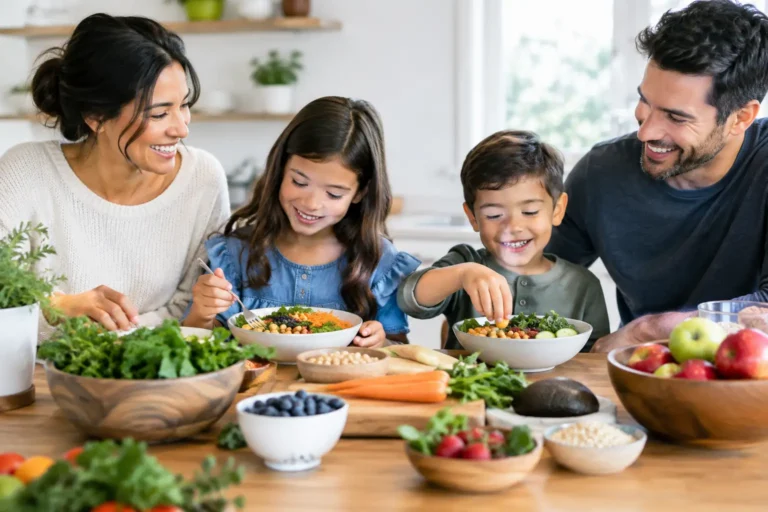
Family dinner does not need a separate “GLP-1 meal.” Make tacos, sheet-pan chicken, pasta with meat sauce, grain bowls, soup, or burgers. Serve yourself a smaller portion, put protein on the plate first, and save leftovers. Dinner is handled, and nobody has to eat a sad wellness meal.
Work with nausea and early fullness
On days when food sounds unappealing, lower the bar without abandoning nutrition. Bland, cold, or simple foods may go down more easily: yogurt, cottage cheese, fruit, toast with peanut butter, scrambled eggs, soup, a smoothie, or a small baked potato topped with chili.
Eating slowly can help, but so can stopping before you are overly full. GLP-1 medications make that old habit of cleaning the plate less useful. Pack away the rest and return to it later. Small meals plus planned mini-meals are often more comfortable than one normal-sized lunch.
Pay attention to patterns. Some people feel worse after high-fat meals, alcohol, spicy food, carbonated drinks, or eating quickly. Others tolerate those foods just fine. Your body gets a vote. Keep a brief note for a week or two if symptoms are confusing, especially around injection day, rather than cutting out half your pantry based on one rough evening.
Severe or persistent abdominal pain, repeated vomiting, dehydration, inability to keep fluids down, or symptoms that feel alarming warrant prompt medical advice. Nutrition strategies can help ordinary adjustment symptoms, but they are not meant to push through a problem that needs clinical care.
Protect muscle with food and strength work
Protein is only part of the muscle-preservation picture. Muscles need a reason to stay. Two or three weekly sessions of resistance training, using weights, bands, machines, or body weight, can be a powerful companion to GLP-1 treatment. Walking is excellent for health and digestion, but it does not fully replace strength work.
Keep this practical. Squats to a chair, wall push-ups, rows with a resistance band, and carrying groceries with good posture count. If you are new to training, start small enough that you will repeat it. Ten minutes after work is more useful than the elaborate plan that never leaves the notes app.
Also watch your energy, mood, sleep, and ability to recover. Rapid weight loss, dizziness, unusual fatigue, hair shedding, or a noticeable drop in strength are worth bringing to your care team. The right pace is individual, and faster is not automatically better.
A low-fuss grocery rhythm
A well-stocked kitchen makes GLP-1 nutrition far less dependent on motivation. Keep a few protein anchors, easy fiber foods, and gentle backup meals on hand. Greek yogurt, eggs, canned tuna or salmon, rotisserie chicken, tofu, frozen shrimp, beans, frozen vegetables, berries, oats, soup, potatoes, and whole-grain bread cover a surprising number of meals.
Use convenience strategically. Prewashed greens, frozen chopped vegetables, ready rice, and cooked chicken cost more than their basic versions, but they can be worth it when they prevent another skipped lunch or expensive takeout order. The best grocery plan is the one that respects your actual Tuesday.
Eat well. Age strong. A GLP-1 can be one tool in your health care, but your daily nourishment is still where strength, energy, and future freedom are built – one ordinary, flavorful meal at a time.
Free download
Dinner is handled
14 comfort food dinners that feed four. 30g or more of protein each, most on the table in 30 minutes, and every one tells you how to keep the rest of the family happy out of the same pan.
Plus one good email a week. No spam, unsubscribe any time.